
1 hr
Everglades Airboat Adventure & Alligator Show
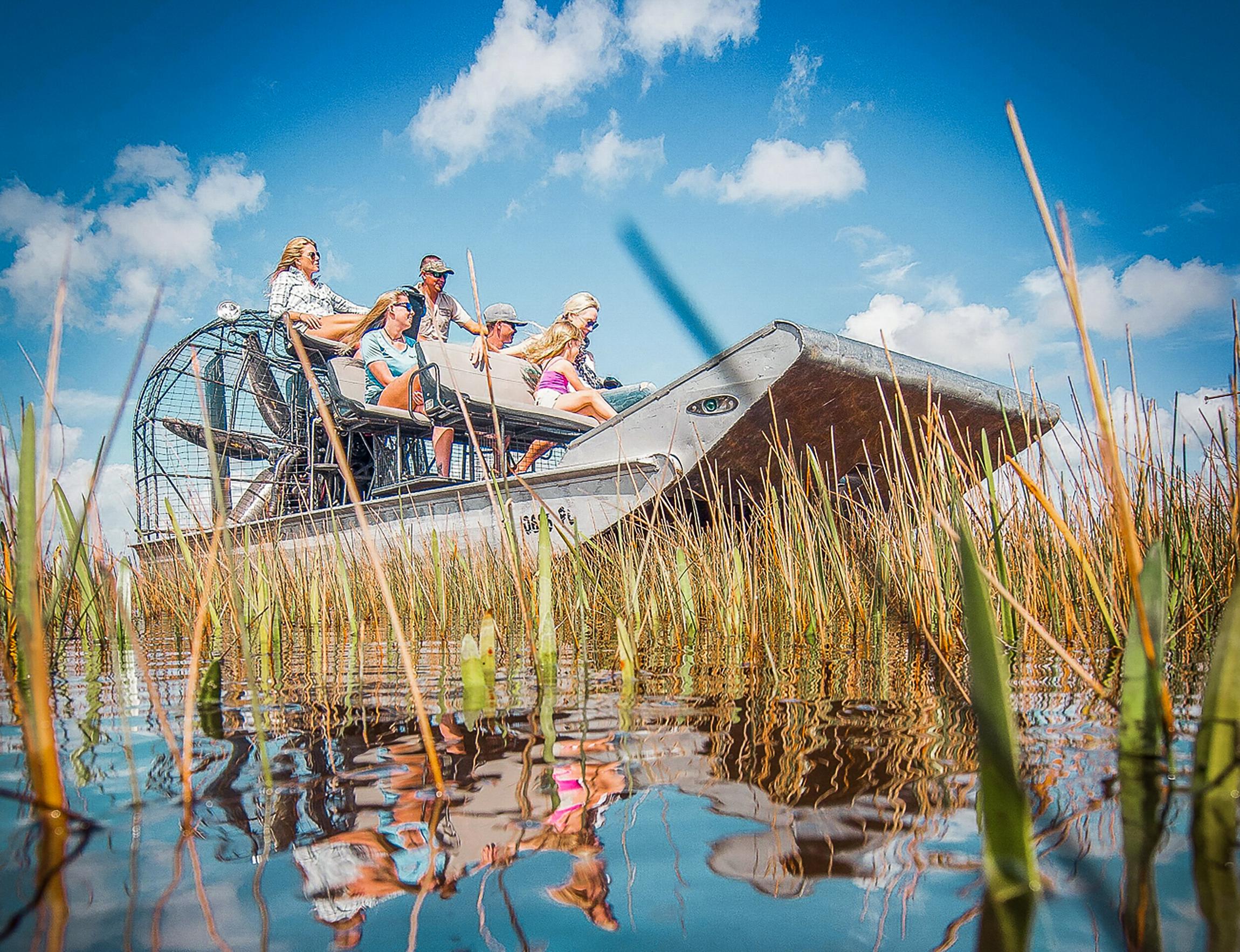
Glide through sawgrass prairies on a high-speed airboat and watch live alligator demonstrations.
Reserve
Hand-picked by our editors — only the best 5 wilderness tours from 47 reviewed
Verified partners for every tour, free cancellation where available, and instant confirmation on every booking.
1 hr
Glide through sawgrass prairies on a high-speed airboat and watch live alligator demonstrations.
Reserve
5 hr
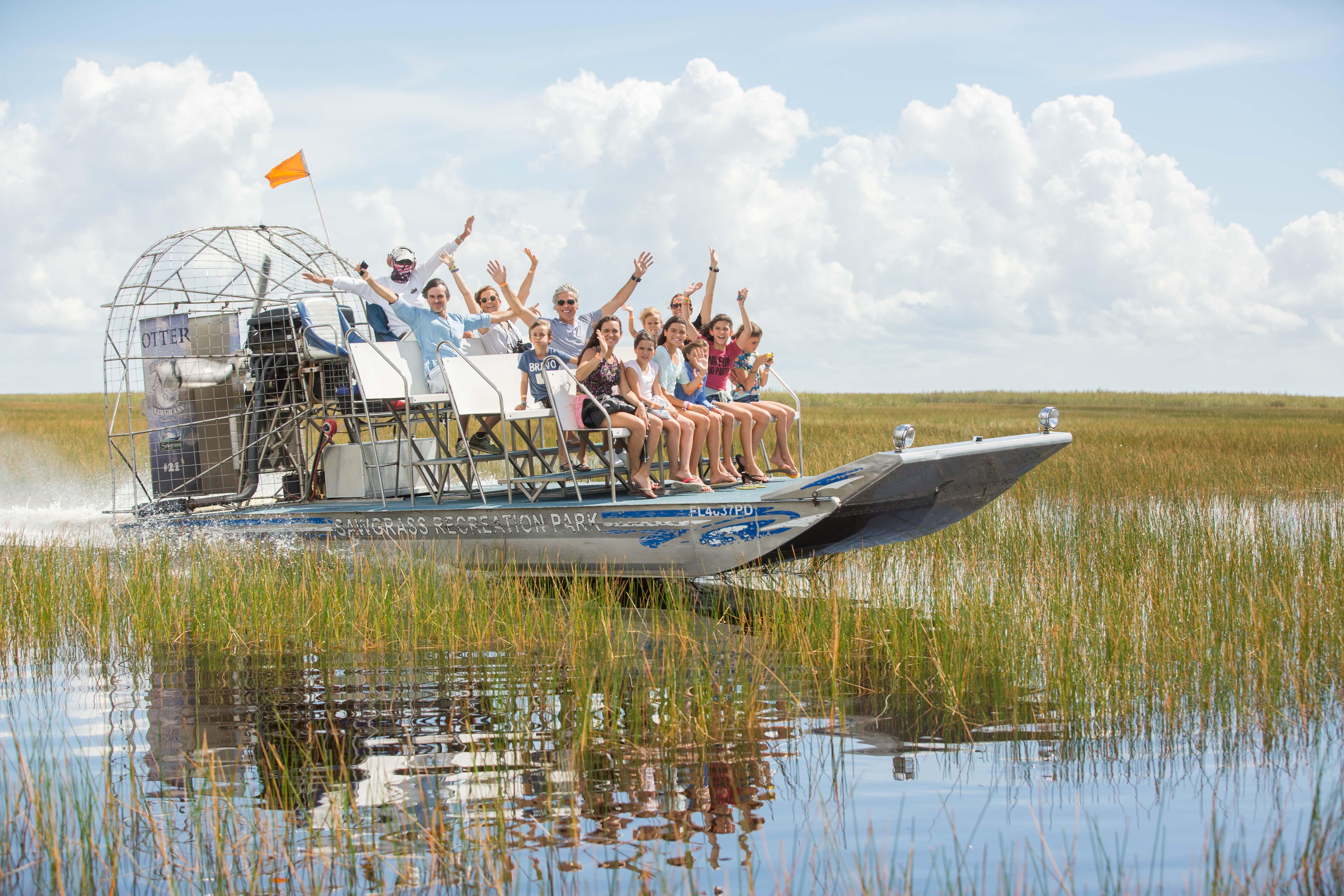
Speed across Florida's wild wetlands by airboat, then meet rescued reptiles at Sawgrass Recreation Park
Reserve
40 min
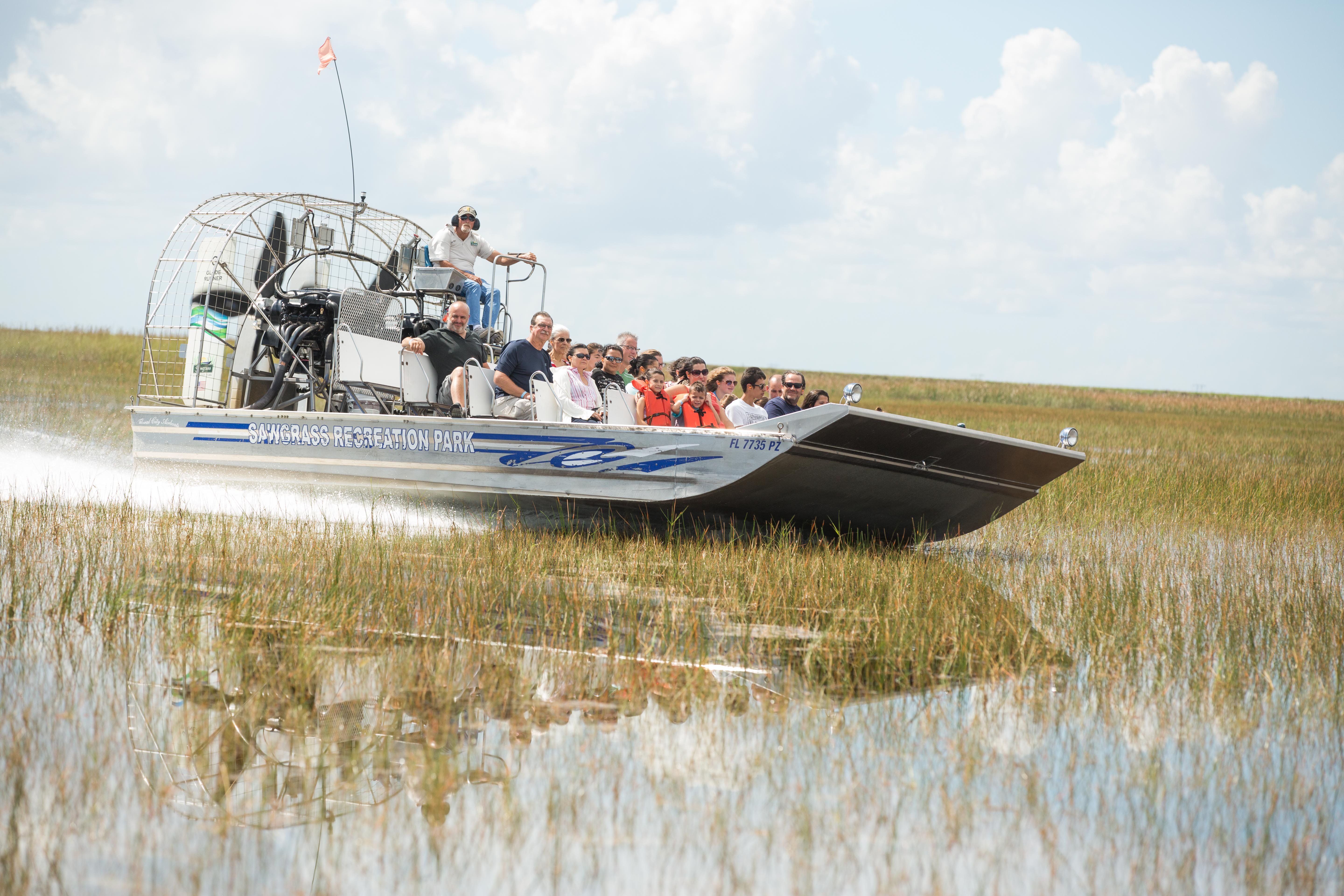
Glide through wetland wilderness on a thrilling airboat ride, then meet alligators and reptiles up close.
ReservePrices from verified partners. Availability updates in real time at checkout. Free cancellation policies apply where shown.
The landmarks, rooms, and views travelers on this tour remember — all visible on a single visit.
Narrow passages carved by nature offering a unique perspective of the ecosystem.
A complex maze of islands perfect for viewing coastal wildlife.
The central hub for all boat departures in the region.
Natural nesting areas where various egrets and herons congregate.
Designated zones where alligators and manatees are frequently spotted.
The motorized everglades mangrove wilderness boat tour provides broad coverage of the estuary, whereas the kayak eco-tour offers a quiet, intimate immersion into the dense ecosystem. They complement each other; visitors seeking wildlife variety often choose the boat for scope, while those wanting personal exertion prefer the paddle-based approach.
| Feature | Top pick Boat Tour | Kayak Eco-Tour |
|---|---|---|
Vessel Type |
Motorized pontoon or skiff | |
Physical Exertion |
None (passive observation) | |
Wildlife Proximity |
Moderate distance (larger radius) | |
Group Size |
Large (shared group) | |
Noise Level |
High (engine sound) | |
Ease of Photography |
Stable platform for lenses | |
| See tickets → |
Verdict: Securing your everglades mangrove wilderness boat tour tickets is ideal for covering large distances, but if you prioritize silence, these kayak tours provide a deeper connection to the local biodiversity.
Choose your ticket, select your date, and reserve in under two minutes. Secure checkout handled by our verified partner.
Instant confirmation by email, with a mobile voucher you can save offline. No printing, no queuing at a collection desk.
Arrive at the entrance, show your voucher on your phone, and walk in. Most tickets include priority or skip-the-line access.
Practical details for your visit straight from our verified partners — hours, access, rules, and how to get there.
905 Copeland Ave, Everglades City, FL 34139
Main departure point for boat tours
Drive to 905 Copeland Ave via Tamiami Trail; ample parking available at the center.
Wear light, breathable clothing and sturdy footwear suitable for a boat deck. Hats and sunglasses are recommended for protection during an everglades mangrove wilderness boat tour.
Only small bags are permitted on board due to limited seating space. Security checks may occur at the Everglades National Park entrance.
Photography is encouraged throughout the everglades mangrove wilderness boat tour as it provides excellent wildlife viewing. Ensure your equipment is protected from water splashes.
Some vessels may have limitations for mobility aids; please confirm specific requirements for your everglades mangrove wilderness boat tour in advance. Staff are available to assist with boarding.
Mobile phones are permitted for photos and navigation. Service can be intermittent within the remote sections of the mangrove wilderness.
The everglades mangrove wilderness boat tour is suitable for all ages. Children must be supervised at all times while on the water.
Food and drink are not provided on the boat. Guests are encouraged to bring sealed water bottles for their everglades mangrove wilderness boat tour.
Pets are prohibited on the boats to protect the sensitive wildlife of the Everglades.
The everglades mangrove wilderness boat tour relies on tidal conditions and weather. Always check the official NPS site for current operational status.
905 Copeland Ave, Everglades City, FL 34139
Main departure point for boat tours
Get directionsBest time to go, insider tips, nearby landmarks, and the cancellation fine print — flip through to skim what matters to you.
How crowds, weather, and events shift across the year.
Cooler temperatures and dry weather make this the peak season for wildlife sightings.
Transition period with moderate temperatures and good water levels for boat navigation.
Expect high heat and humidity with frequent afternoon showers; early morning is essential.
Warm weather continues with a lower risk of extreme weather events compared to summer.
Small details that turn a good visit into a great one.
Drink water frequently to stay hydrated in the Florida heat.
Use binoculars to spot birds without disturbing their natural habitats.
Arrive during the 09:00–15:00 window for the best light and activity levels.
Wear layers if taking early morning boat excursions.
Book your everglades mangrove wilderness boat tour in advance to secure preferred times.
Non-bookable sights within a short walk — free to visit, easy to pair.
A vast area of mangrove islands and waterways.
Adjacent conservation area known for cypress swamps.
Historic trading post offering a glimpse into pioneer life.
Flexible, no hidden fees.
Cancellations must be made within the operator's specified window to receive a refund. Please note the 35 USD entrance fee is a separate National Park requirement.
Hand-picked options within walking distance — pick a district for vibe, or a specific hotel for convenience.
Convenient access to the marina.
High-end lodging options near the coast.
Vacation homes near the water.
The Ten Thousand Islands — a lattice of mangrove islets woven across 35,000 acres of brackish estuary — harbor one of the planet's most productive nurseries for juvenile fish, reef shrimp, and wading birds. Red mangroves anchor the shallows with prop roots that oxygenate mud; black mangroves breathe through finger-like pneumatophores; white mangroves hold the inland margin. Together the three species form a buffer that absorbs storm surge, filters runoff, and sequesters carbon at rates rivaling tropical rainforest. In 1947, Congress designated the Everglades as the first national park created to protect a living ecosystem rather than scenic geology, and the mangrove estuaries of the park's western edge remain its least altered zone. Traditional pontoon and skiff tours depart from Everglades City, threading the Wilderness Waterway — a 99-mile canoe route that cleaves the mangrove maze from the Gulf Coast Visitor Center to Flamingo. The northern stretches pass Sandfly Island, where Calusa shell middens rise fifteen feet above the tide line, and Lopez River, a creek so narrow its canopy forms a tunnel. Bottlenose dolphins hunt mullet in the tidal channels; roseate spoonbills and tricolored herons wade the flats at low water; ospreys nest in the crowns of dead mangroves bleached white by salt. Between December and April, manatees shelter in the creeks where freshwater seeps temper the Gulf's winter chill. The mangrove wilderness boat tour routes favor early morning departures, when the water lies flat and wildlife activity peaks before the heat. The ecosystem operates on a gradient: sawgrass prairies drain south through sloughs into the coastal fringe, where tidal flux meets sheet flow and salinity oscillates with the season. Mangrove roots trap sediment and organic debris, building land at a pace of one to two centimeters per year — enough to keep pace with sea-level rise under current models. Guides point out the pneumatophores that black mangroves push through anaerobic mud, the viviparous propagules that dangle from red mangrove branches and drop into the current to drift until they lodge in sediment. The canopy shelters juvenile snook, tarpon, and red drum; the understory hides fiddler crabs and periwinkle snails. Everglades mangrove wilderness boat tours operate year-round from the Copeland Avenue launch, with the dry season — November through May — offering the clearest water and the highest concentration of wading birds driven from drying inland marshes. Summer rains raise water levels and scatter wildlife, but afternoon thunderstorms reliably clear by evening, leaving soft light and empty channels.
"The mangrove estuaries remain the park's least altered zone, a brackish lattice where storm surge is absorbed and carbon sequestered at rates rivaling tropical rainforest."
A step-by-step walkthrough of the visit — what you'll see, how long each stage takes, and the details that matter.
You step aboard a shallow-draft pontoon at the Everglades City dock, the hull riding low with eight passengers and a naturalist guide. The engine idles through the marked channel past crab-trap floats and channel markers, then throttles down as the boat enters Lopez River. The first mangrove tunnel closes overhead — a vault of interlaced branches hung with bromeliads and resurrection fern. Prop roots descend into tea-colored water stained by tannins; the guide cuts the engine and the boat drifts in silence broken only by the ticking of fiddler crabs on exposed mud. A great egret lifts from a sandbar fifty meters ahead, wings white against the green wall. The guide points to fresh otter tracks in the mud, then to a bottlenose dolphin surfacing in the main channel, its dorsal fin tracing an arc before it sounds. You round a bend and the canopy opens onto a basin stippled with mangrove islands; roseate spoonbills wade in a line, sweeping their bills side to side through the shallows. The boat follows the waterway south, passing oyster bars and hammocks of buttonwood, until the guide noses into a dead-end creek where a manatee exhales at the surface, its gray bulk rolling before it submerges. The return leg cuts across open water, the Gulf visible as a blue line beyond the outermost keys. You dock two hours after departure, boots dry, binoculars salt-speckled.
The visitor center is open daily from 09:00–17:00.
Accessibility depends on the specific vessel; please contact 239-330-1902 to verify your needs for an everglades mangrove wilderness boat tour.
Morning and early afternoon tours offer better wildlife visibility and calmer waters for your everglades mangrove wilderness boat tour.
Yes, these tours are family-friendly and children are welcome to join the everglades mangrove wilderness boat tour experience.
Cancellations are subject to the specific operator policy; please manage your everglades mangrove wilderness boat tour tickets through the official site.
No, the 35 USD entrance fee is a separate National Park vehicle entrance fee and is not included in the everglades mangrove wilderness boat tour ticket price.
You may bring snacks and drinks, though please maintain the cleanliness of the mangrove wilderness.
The meeting point is located at 905 Copeland Ave, Everglades City, FL 34139.
Most traditional skiffs do not have restrooms on board; please use facilities at the visitor center before starting your everglades mangrove wilderness boat tour.